


2D Barcodes
One scan. Infinite possibilities.
Τα 2D barcodes της επόμενης γενιάς
Consumers, brand owners, retailers and regulators are all looking for better ways to access product information – and increasingly, this starts with scanning the barcode on the product packaging.
2D barcodes, such as QR Codes with GS1 Digital Link, are rightly described as the next generation of barcodes, as they are multidimensional tools that connect the physical product with digital information.
While the traditional linear barcode is used to uniquely identify a product through its GTIN, a 2D barcode can contain more data and connect the physical product to a broader world of digital information and content.
It is a tool that enables products to communicate digitally, enhancing the shopping experience for the end consumer.
Discover applications in Greece that demonstrate how the transition to the next generation of 2D barcodes is relevant to businesses of every sector and size:
QR Code with GS1 Digital Link: Can a barcode help you stand out from the competition and increase sales?
The QR Code with GS1 Digital Link belongs to the family of GS1 2D barcodes, which are considered the next generation of barcodes.
The GS1 Digital Link standard is integrated into the traditional QR Code and extends a product’s packaging, as a single scan provides access to unlimited product information.
It includes the product’s GTIN and can also encode additional data displayed on the label, such as the batch number or expiration date, making this information directly readable by a barcode scanner at the POS checkout.
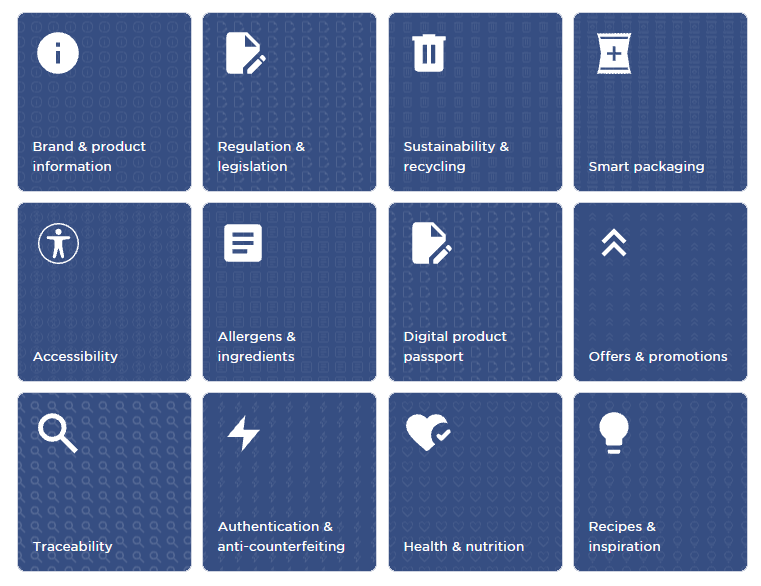
At the same time, it provides a modern way of informing consumers. When scanned with a smartphone camera, it gives access to rich and reliable content, ranging from the country of origin, ingredients and allergens to sustainability and recycling information, as well as certificates, awards, instructions for use, photos and promotional videos. It’s all there...
In this way, it also facilitates alignment with legislative measures and regulations that introduce new data requirements, such as PPWR and Digital Product Passport (DPP). Finally, it enables better data sharing at every point of the supply chain, helping businesses achieve better traceability, facilitate recalls, reduce fresh product waste and, more broadly, improve business operations in multiple ways while creating new shopping experiences for consumers.
Industry key players already making the transition to 2D barcodes
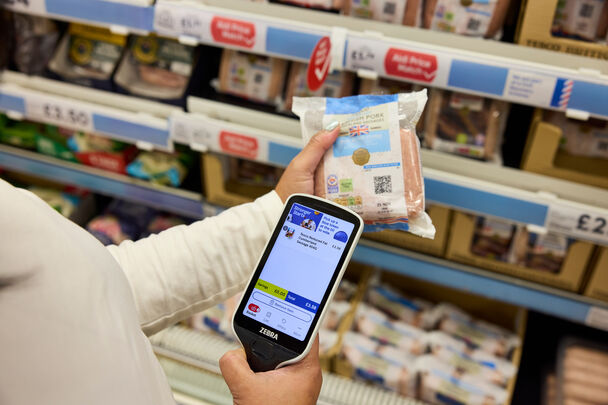
Tesco UK is making the transition to QR Codes with GS1 Digital Link
Tesco becomes the first UK supermarket to transition an entire product range to QR codes powered by GS1, marking a quiet but important shift for UK retail.
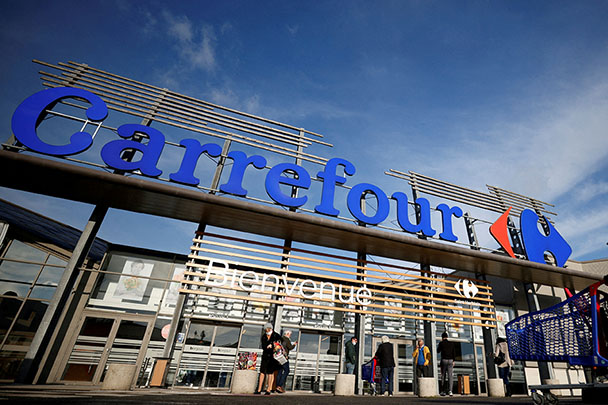
Carrefour France implements 2D barcodes on private-label products
Carrefour France implements QR Codes with GS1 Digital Link on 50 private-label products, enabling customers to access information about the product and the brand, and even shop online.
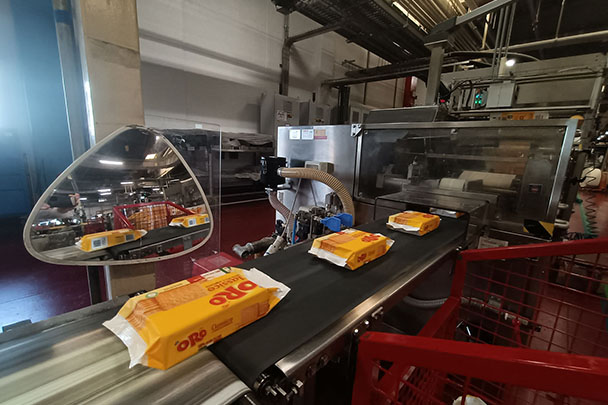
Mondelēz Italia pilots the QR Code powered by GS1 on its products
Mondelēz Italia begins piloting QR Codes with GS1 Digital Link on the packaging of Oro Saiwa biscuits, taking the next step towards the transition to next-generation barcodes.
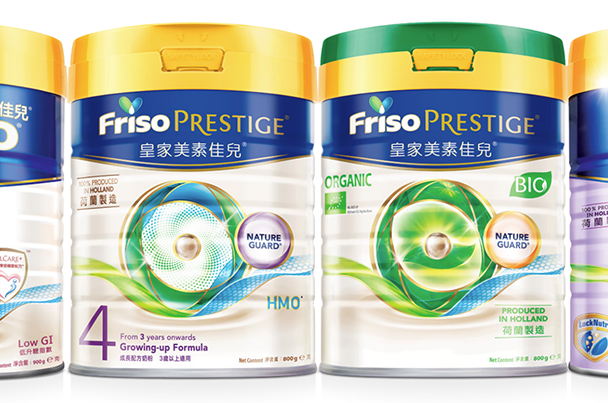
Friesland uses QR Codes with GS1 Digital Link to ensure product authenticity
By scanning the packaging, consumers can learn more about the product’s origin and receive confirmation that they have purchased a genuine box of Friso infant formula.
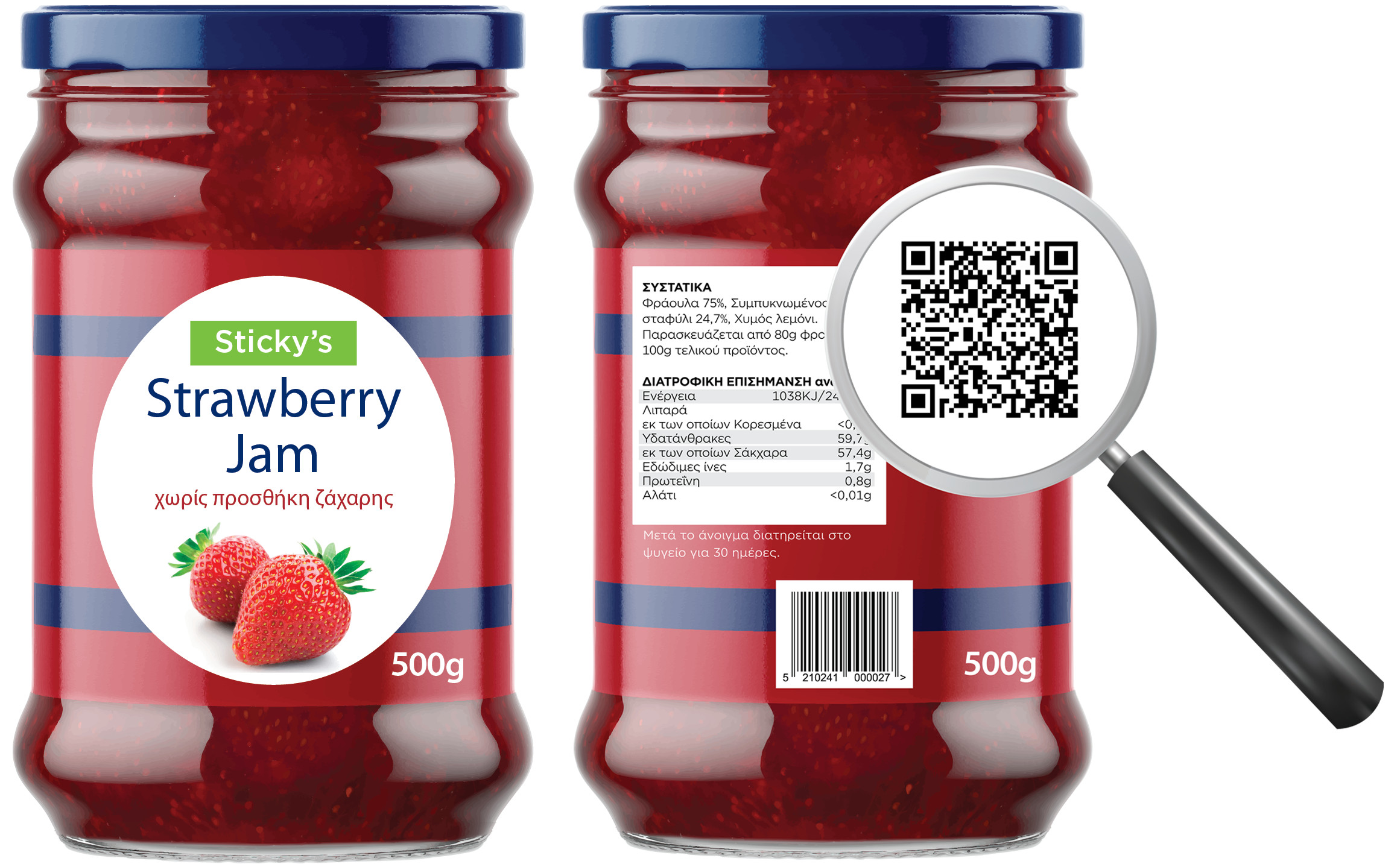
With GS1 Association-Greece’s service for creating QR Codes with GS1 Digital Link, you enter your product information on the platform and easily and instantly create the symbol. At the same time, a page containing all the product information is automatically generated, along with a unique URL.
Scan or click here!
Scan or click here!
Creating QR Codes with GS1 Digital Link
GS1 Association-Greece provides all its members with an online platform for creating QR Codes with GS1 Digital Link. Using the unique GTIN of each product they already have, businesses of all sizes can create their own QR Codes and link them to additional digital information and content, automatically generating a dedicated webpage for each product, where information is presented in a structured way.
The 2027 ambition: QR Codes with GS1 Digital Link at the point of sale
As part of a global industry initiative, the transition from traditional barcodes to 2D barcodes at points of sale is expected to take place by the end of 2027. The goal is for every product to have a single 2D barcode that can be used at the point of sale as well as to provide access to digital content. Today, and until the transition is fully completed, it is recommended that the traditional linear barcode remains on the packaging alongside the QR Code with GS1 Digital Link. In the meantime, retailers are already preparing their systems to scan both barcodes and QR Codes with GS1 Digital Link, ensuring a smooth transition. At the same time, businesses are evaluating their internal technologies and processes to make the most of QR Codes with GS1 Digital Link.
2D Barcodes are already on the market! Greek businesses are already successfully implementing QR Codes with GS1 Digital Link, demonstrating that the transition to the next generation of 2D barcodes concerns businesses of every sector and size.
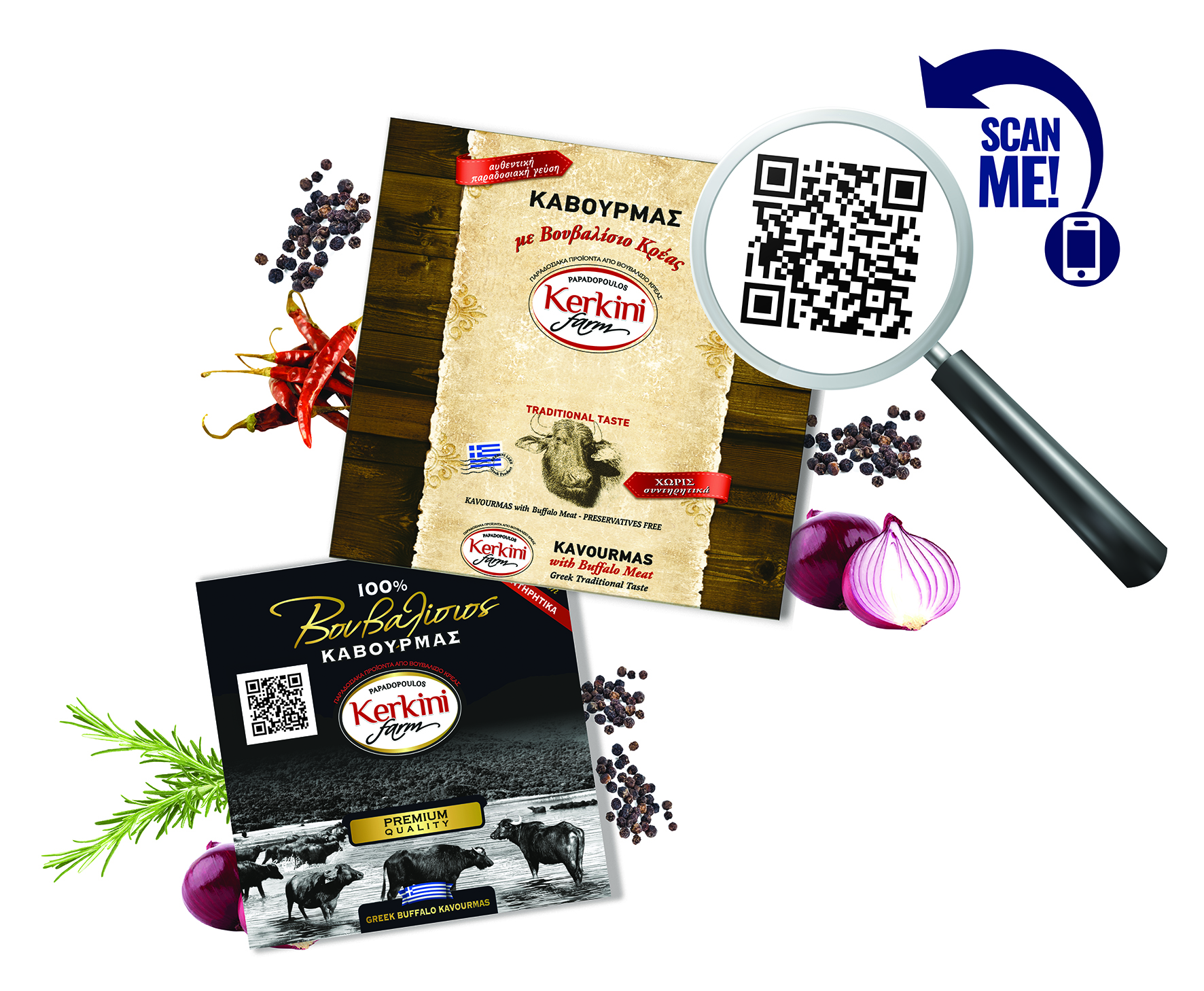
Kerkini Farm invests in new GS1 Digital Link technology for the benefit of its customers!
Kerkini Farm, a member of GS1 Association-Greece, is a vertically integrated buffalo meat breeding and processing company in Greece. Following its innovative approach and aiming to provide its customers and consumers with as much information as possible about each of its products, the company, with the support and guidance of GS1 Association-Greece, decided to implement the GS1 Digital Link standard.
Since September 2025, its product packaging has featured a QR Code with GS1 Digital Link alongside the traditional linear barcode. With a simple scan, customers and consumers can access more information about each product, including details on ingredients, allergens, packaging and recycling, certifications, instructions for use, informative videos and marketing messages.
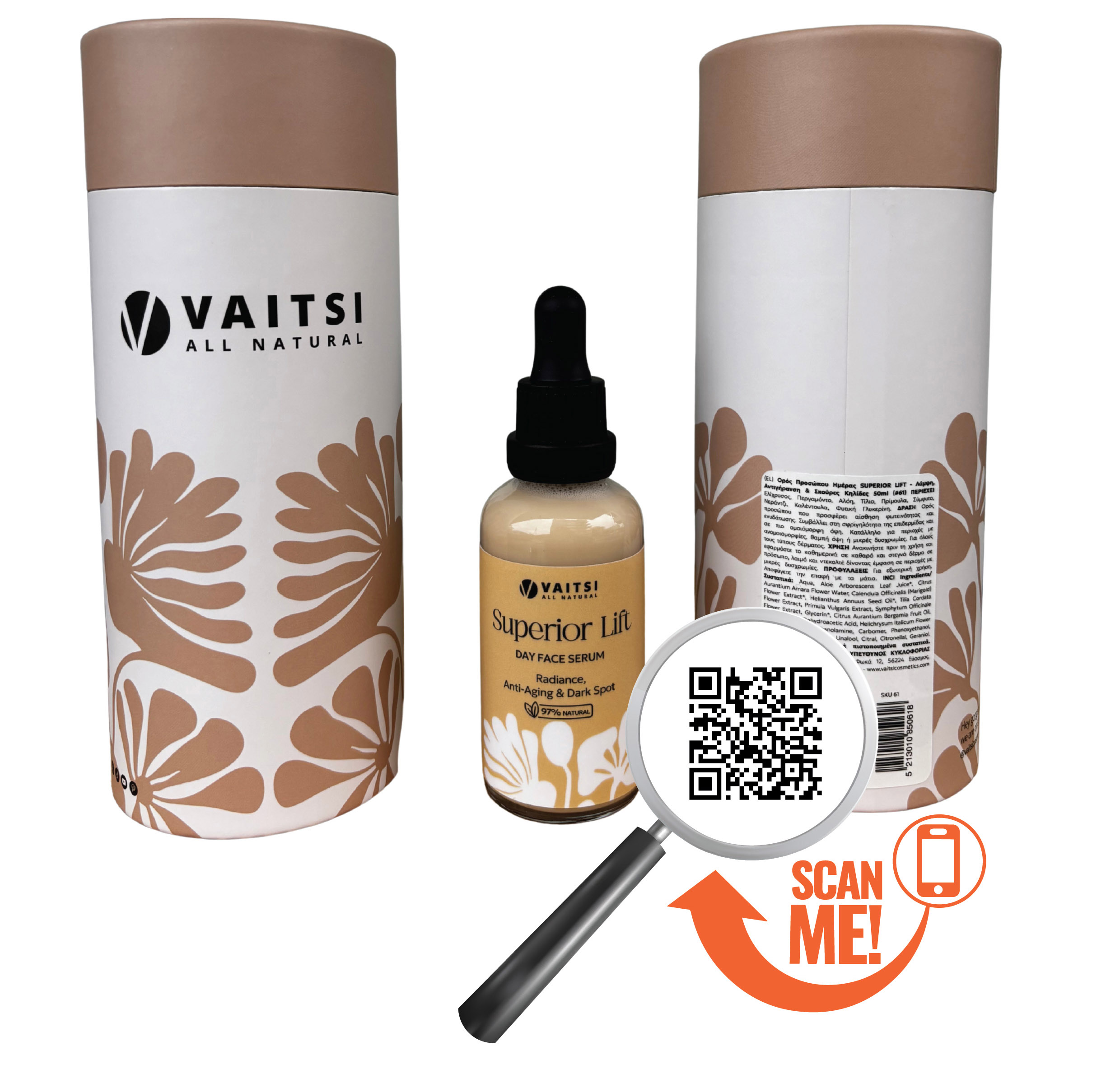
Vaitsi Cosmetics implements the GS1 Digital Link standard and highlights its unique values
Vaitsi Cosmetics, a member of GS1 Association-Greece, is a Greek brand of natural care products, with certified organic raw materials and natural formulations reaching almost 99%.
Wishing to highlight this advantage, the company decided to use the new GS1 Digital Link standard.
The QR Code with GS1 Digital Link featured on its packaging allows the company to communicate product descriptions, ingredients, their benefits and instructions for use in all desired languages. At the same time, it provides technical specifications for supply chain management, links for direct consumer purchases, as well as photographic material.
“It is an extremely useful tool both for our partners and our end customers, regardless of the language they speak,” says Vaitsi Cosmetics. “It is very easy to highlight our certifications, naturalness index, the organic origin and the source of our raw materials.”
Benefits of using QR Codes with GS1 Digital Link and the digital label
- Safer food: They facilitate access to regulatory information, detailed allergy advice, and “best before” or “use by” dates, enabling expired food to be rejected at checkout and products approaching their expiry date to be sold at reduced prices, helping to reduce food waste. Access to this data also enables trading partners to improve their inventory management.
- Traceability: Improve the transparency and efficiency of supply chains and simplify traceability, recall and return processes, providing reliable information about the product and its history.
- Enhanced consumer engagement: Can be linked to interactive content, educational videos or augmented reality experiences that enhance consumer interaction with the product and the brand.
- Economic efficiency: Implementing the GS1 Digital Link is relatively inexpensive compared to printing extensive information on packaging. It also reduces the need for additional printed materials, which can be costly and environmentally unfriendly.
- Sustainability Information: With the growing demand from consumers to understand the environmental impact of products, QR Codes with GS1 Digital Link can provide consumers with information such as a product’s origin, its ingredients, carbon footprint, and instructions for recycling or reusing packaging.
- Convenience: Consumers can access information quickly and easily by simply scanning the barcode with their smartphones.
- Informed choices: With information no longer limited by packaging space, QR Codes with GS1 Digital Link can enhance the consumer experience by allowing brands to share essential information as well as additional content, such as educational videos, tips, recipes, instructions for use, nutritional information and certifications.
- Dynamic updates: The information accessed through QR Codes with GS1 Digital Link can be continuously updated by the brand owner in real time, without the need to change the QR Code on the packaging. This means that any changes to product information, such as new certifications, updated instructions for use or new promotions, can be shared immediately, without the need to produce new packaging.
- Space efficiency: Physical packaging often has limited space. QR Codes with GS1 Digital Link allow manufacturers to provide extensive and structured information using minimal physical space, which is particularly useful for products with complex information requirements.
- Next-generation POS: And they still scan at checkout!
Examples from around the world
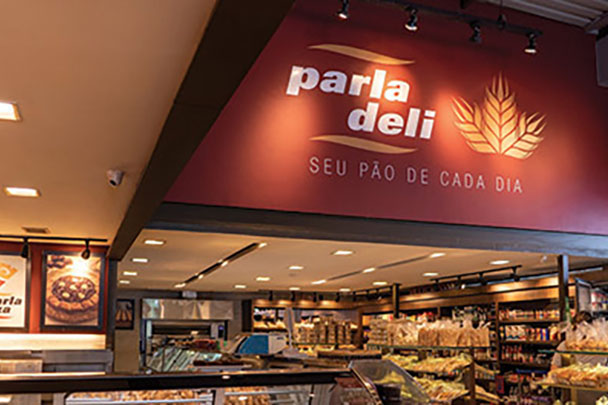
Parla Deli in Brazil scans the world’s first 2D barcode
Parla Deli unlocks business value and connects with its customers by implementing the latest GS1 standards.

Via Marte: Improving business efficiency
The Brazilian footwear company leveraged GS1 standards and QR Codes with GS1 Digital Link, achieving 100% inventory accuracy, a 4% reduction in shipping costs, and more efficient product traceability.



